“Redefining Mental Health in Cultural Perspectives: Navigating AI, Neuroscience and Human Potential”
INSPIRE, CREATE, REPEAT
December 16th – 17th, 2025
Online, Zoom Platform
December 16th – 17th, 2025
Online, Zoom Platform
Mental health has ascended to a position of global priority, yet the dominant paradigms for its understanding and treatment remain predominantly rooted in Western-centric epistemological frameworks. This approach often fails to address the rich diversity of human experience, expression, and healing practices across different cultures. Against this backdrop, the field of psychology is at a critical juncture, shaped by the convergence of three powerful forces: groundbreaking advancements in neuroscience, the ubiquitous rise of Artificial Intelligence (AI), and a renewed focus on human potential.
Neuroscience offers unprecedented insights into the neural underpinnings of cognition and emotion, yet it raises fundamental questions about how these universal mechanisms interact with culturally specific experiences to shape the mind. Simultaneously, AI promises to revolutionize diagnostics and therapeutic interventions, but it also brings forth profound ethical questions regarding algorithmic bias, data privacy, and the capacity of machines to navigate cultural nuances. Concurrently, the focus on human potential, inspired by humanistic and positive psychology, propels the discipline beyond a mere deficit-based model towards an understanding of flourishing, resilience, and well-being concepts deeply embedded in cultural values and narratives.
This critical exploration is not a new endeavor for the Faculty of Psychology at Universitas Mercu Buana Yogyakarta. Our commitment to this cause is built upon a strong foundation established by our preceding conferences. In 2022, the 1st International Conference on Psychology (ICOP) initiated this dialogue by focusing on the vital role of indigenous psychology and local wisdom, yielding new paradigms for psychotherapy that are both culturally resonant and effective in a disruptive era. Building on this momentum, the 2nd ICOP shifted its focus to practical application with the theme “Sustainable Community Well-being: From Marginal to Thriving Community,” championing initiatives to transform vulnerable populations into resilient and flourishing societies.
The 3rd International Conference on Psychology (ICOP 3) represents the next evolutionary step in this journey. It takes the foundational commitment to cultural perspectives and community well-being from our previous conferences and propels it into the contemporary landscape now being reshaped by artificial intelligence and neuroscience. We now ask: How can these powerful new tools be harnessed to enhance, rather than erode, culturally-grounded well-being? How can neuroscientific discoveries validate and enrich indigenous knowledge? This conference, therefore, is not merely an examination of new trends, but a deliberate continuation of our mission to champion mental health frameworks that are both globally informed and deeply rooted in diverse human realities.
days
hours
minutes
seconds
by 1st Speaker
08.45 – 10.00 - Indonesia Time (WIB)by 2nd Speaker
10.10 – 11.05 - Indonesia Time (WIB)by Lunch Break
11.05 – 13.00 - Indonesia Time (WIB)by 3rd Speaker
13.10 – 14.05- Indonesia Time (WIB)by 4rd Speaker
14.15 – 15.05 - Indonesia Time (WIB)by MC
08.00 – 08.30| Batch 1 (Early Bird 1) | ||||
|---|---|---|---|---|
| Abstract submission |
|
|||
| Review abstract | October 29th, 2025 – November 2nd, 2025 | |||
| Acceptance notification | November 3rd, 2025 – November 5th, 2025 | |||
| Payment | November 5th, 2025 – November 9th, 2025 | |||
| Admission Fees for Presenter (Including Seminar and Publication in International Proceeding) | ||||
| Student | Rp 500.000 / USD 30 | |||
| Professional | Rp 600.000 / USD 40 | |||
|
Batch 2 (Regular)
|
||||
|---|---|---|---|---|
| Abstract submission |
|
|||
| Review abstract | November 12th, 2025 – November 18th, 2025 | |||
| Acceptance notification | November 18th, 2025 – November 20th, 2025 | |||
| Payment | November 20th , 2025 – November 25th , 2025 | |||
| Admission Fees for Presenter (Including Seminar and Publication in International Proceeding) | ||||
| Student | Rp 600.000 / USD 40 | |||
| Professional | Rp 700.000 / USD 44 | |||
|
Batch 3 (Regular)
|
||||
|---|---|---|---|---|
| Abstract submission |
|
|||
| Review abstract | November 27th, 2025 – December 3rd, 2025 | |||
| Acceptance notification | December 3rd, 2025 – December 5th, 2025 | |||
| Payment | December 5th, 2025 – December 8th, 2025 | |||
| Admission Fees for Presenter (Including Seminar and Publication in International Proceeding) | ||||
| Student | Rp 700.000 / USD 44 | |||
| Professional | Rp 800.000 / USD 50 | |||
|
Batch 4 (Regular)
|
||||
|---|---|---|---|---|
| Abstract submission |
|
|||
| Review abstract | December 11th, 2025 – December 13th, 2025 | |||
| Acceptance notification | December 14th, 2025 – December 15th, 2025 | |||
| Payment | December 11th, 2025 – December 15th, 2025 | |||
| Admission Fees for Presenter (Including Seminar and Publication in International Proceeding) | ||||
| Student | Rp 800.000 / USD 48 | |||
| Professional | Rp 900.000 / USD 55 | |||
|
Full Paper
|
|||
|---|---|---|---|
| Full Paper | December 10th, 2025 – December 15th, 2025 | ||
| Review | December 17th, 2025 – December 31st, 2025 | ||
| Individual | |||
|---|---|---|---|
| Payment For Seminar | Up to December 15th, 2025 | ||
| UMBY & University Partners | Non-UMBY & University Partners Student | Professional / General | |
| International | – | – | USD 10 |
| Indonesian | Rp. 50.000 | Rp. 75.000 | Rp. 150.000 |
| Group (5 person) | |||
| Payment For Seminar | Up to December 15th, 2025 | ||
| UMBY & University Partners | Non-UMBY & University Partners Student | Professional / General | |
| International | – | – | USD 44 |
| Indonesian | Rp 225.000 | Rp 350.000 | Rp 700.000 |
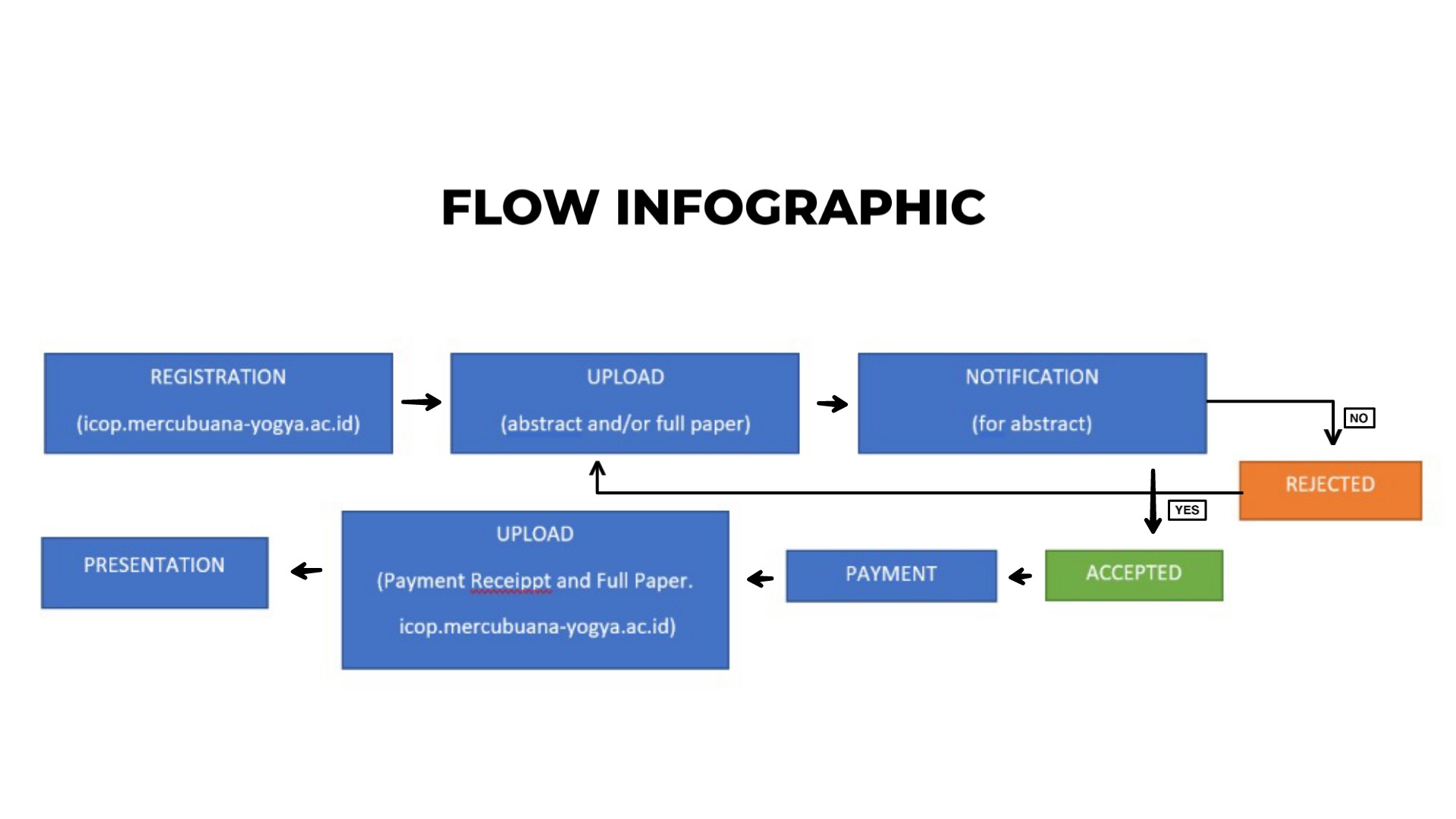
Proposed Topics
Educational and Developmental Psychology: “Navigating the Future of Learning and Growth: Culture, Technology, and Well-being Across the Lifespan”
Clinical Psychology: “Rethinking Diagnosis and Care: Integrating Culture, Neuroscience, and Digital Innovations”
Industrial and Organizational Psychology: “The Future of Work: Fostering Human Potential in a Globalized, AI-Driven Workplace”.
Cultivating purpose, engagement, and flourishing within a diverse and multigenerational workforce.
Social and Community Psychology: “Building Resilient Societies: Social Justice, Digital Identity, and Collective Well-being”
Psychometrics transformation as the intersections of AI, Neuroscience, and cultural diversity: Toward ethical, inclusive, and contextual measurement of human potential
| Advisory Chairs | Reny Yuniasanti, Ph.D., Psikolog | |
| Dr. Wahyu Kuncoro, M.Si | ||
| Event Coordinator |
|
|
|
||
| Secretary |
|
|
|
||
| Treasurer |
|
|
|
||
| Event Division | Komang Mahadewi Sandiasih, M.Psi., Psikolog | |
| Erydani Anggawijayanto, M.Psi., Psikolog | ||
| Laily Lolita Sari, M.Psi., Psikolog | ||
| Ahmad Humaidi, S.Sos | ||
| Bernadus Virgiawan Chandra Kusuma, S.Kom | ||
| Rahma Adellia, S.Psi | ||
| Publication Division | Nanda Yunika Wulandari, M.Psi., Psikolog | |
| Narastri Insan Utami, M,.Psi., Psikolog | ||
| Nur Fachmi Budi Setyawan, M.Psi., Psikolog | ||
| Domnina Rani P Rengganis, M.Si., Ph.D | ||
| Scientific Division | Ratri Pratiwi, S.Psi., M.A | |
| Martaria Rizky Rinaldi, M.Psi., Psikolog | ||
| Ranni Merli Safitri, ST., M.Si | ||
| Ainurizan Ridho Rahmatulloh, M.Psi., Psikolog | ||
| Juwandi, M.Si | ||
| Liaison Officer | Luthfi Noor Aini, S.Psi., M.A | |
| Dimas Adi Wijaya, S.Psi., M.Psi., Psikolog |

Jl. Wates, KM.10, Bantul, Daerah Istimewa Yogyakarta, Indonesia

Ms. Rahma:
+62 823-7406-2201
Mr. Ridwan:
+62 821-3974-9865
If you have any questions about the event, please contact us directly. We will respond for sure.